The Nigerian Sugar Market: A Landscape of Growing Opportunity
Nigeria isn’t just a market; it’s a powerhouse of demand. As Africa’s largest economy and most populous nation, its appetite for sugar is substantial and expanding rapidly, creating a compelling case for local production.
Current annual consumption surpasses 1.8 million metric tons (MT), generating a market value of approximately $2 billion. Yet, this is just the beginning.
Nigeria’s population, currently over 200 million, is expected to double by 2050, making it the world’s third most populous country. This demographic trend significantly increases the potential consumer base for sugar and sugar-based products.
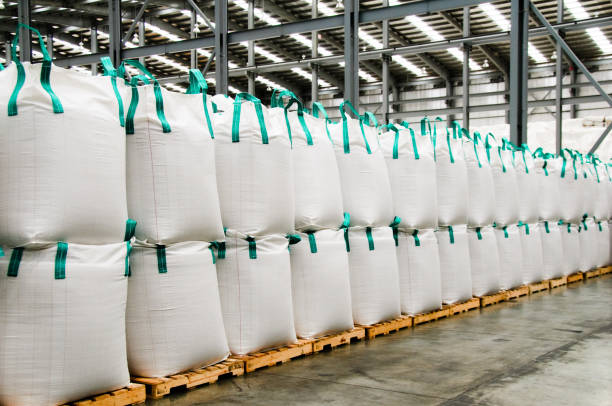
The Nigerian sugar industry represents a significant investment opportunity with substantial economic potential.
Market Value
Projected Demand (Tons) by 2032
Consumption Import reliance
Available sugarcane-suitable farmland
This opportunity is driven by powerful growth catalysts

Demographic Boom
Nigeria’s vibrant, youthful population, already exceeding 216 million, is on track to double by 2050, making it the world’s third most populous country.

Urbanization Shift
With urban populations growing at ~2.4% annually, lifestyles and dietary habits are evolving. This shift favors processed foods and beverages, key consumers of sugar.
Rising Income
An expanding middle class possesses greater disposable income, leading to increased spending on convenience foods, soft drinks, confectioneries, and pharmaceuticals.
Untapped Potential
Nigeria’s per capita sugar consumption (around 9kg) remains relatively low compared to global averages and other African nations, indicating significant headroom for growth.
Market Data
Nigeria’s sugar market presents a compelling investment case based on strong local demand, limited domestic supply, and supportive policy environment.
1.8 million MT
Annual sugar consumption in Nigeria
+3.5% CAGR
35,000 MT
Avg annual sugar
production
< 3% of consumption
$2 billion
Nigerian
Market size
Sugar only
$7 billion
African
Market size
Sugar only
Beyond Sugar
Sugarcane processing yields much more than sugar.
Expanded By-Product Market is worth
These opportunities in high-value by-products and derivatives include biofuels, polymers, bio-plastics, animal feeds and electricity
Import Depedency = Your Opportunity
Over 97% of Nigeria’s raw sugar requirement is currently met through imports. This heavy reliance creates vulnerabilities but, more importantly, highlights an enormous, immediate opportunity for import substitution through efficient local production.
Sugar Demand Breakdown
Percentage Consumption
Sugar Refineries
Refinery
Dangote Sugar Refinery Plc
BUA Foods Plc (Apapa & PH)
Golden Sugar Company Ltd
Installled Capacity
1.44m MT
1.50m MT
0.75m MT
Capacity Utilisation [1]
0.65m MT
0.55m MT
0.50m MT
Sugar Estates
Estate
Savannah Sugar Company
Sunti Golden Sugar Estate
Installled Capacity
3,800 TCD
3,000 TCD
Sugar Produced [2]
15,797 MT
15,190 MT
1: 2024 Quota Allocation
2: 2024/25 Crushing Season
Beyond Borders - The African Context

Look regionally, and the opportunity expands. Africa faces a growing sugar deficit, projected to widen to 13 million MT by 2030. With the African Continental Free Trade Area (AfCFTA) facilitating trade, Nigeria is perfectly positioned to become a key supplier to the continent.
13 M MT
Projected Africa Sugar Deficit by 2031
The Nigeria Sugar Master Plan (NSMP)
The Nigeria Sugar Master Plan (NSMP) is Nigeria’s blueprint for revolutionizing its sugar industry. With the goal of reducing dependency on imported sugar, creating jobs, and boosting economic development, NSMP is setting the stage for a self-sufficient, sustainable, and thriving sugar sector.
1
NSMP Launch (2013)
The Nigerian Sugar Master Plan was launched to achieve self-sufficiency in sugar production.
2
Phase 1 Review (2017 )
Initial implementation phase reviewed, with adjustments made to address challenges.
3
NSMP Extension (2023)
The Nigerian government extended the Sugar Master Plan for an additional 10 years to 2033.
4
Target Year (2033)
Nigeria aims to achieve complete self-sufficiency in sugar production by this date.
Ready to Explore
Investment Opportunities?
Contact the Nigeria Sugar Development Council to discuss how you can participate in the transformation of Nigeria’s sugar industry.

‘Sweet revolution’: Chinese investors commend sugar master plan, to invest $1bn in Nigeria
The National Sugar Development Council (NSDC) has signed a major Memorandum of Understanding (MoU) with
Water resources minister pledges to address irrigation challenges facing sugar production
The Minister of Water Resources, Engr. Joseph Utsev, has pledged to find solutions to the
NSDC Boss meets investors, declares 2025 a year of acceleration for project development
The Executive Secretary/CEO of the National Sugar Development Council (NSDC), Mr. Kamar Bakrin, has declared
64th council session: NSDC boss elected to chair ISO committee
The Executive Secretary/CEO of the National Sugar Development Council (NSDC), Mr. Kamar Bakrin, has been
Ongoing reforms to unlock thousands of jobs in sugar industry – NSDC Boss
The Executive Secretary/CEO of the National Sugar Development Council (NSDC), Mr. Kamar Bakrin, has assured
Sugar projects: Why we’re focusing on increasing yield per hectare with minimum inputs – NSDC boss
The Executive Secretary/CEO of the National Sugar Development Council (NSDC), Mr Kamar Bakrin, has explained